


Jeff McIntosh is no stranger to managing snow and ice.
As director of transportation for Walmart Canada, he and his team monitor weather, manage closures and adjust plans when winter storms threaten transportation routes. Each winter, the pattern repeats: forecasts shift. Ferries are cancelled. Highways shut down. The effects ripple through the supply chain, requiring constant adjustments to keep products moving to stores from southern Ontario to northeastern Newfoundland.
But every so often, a familiar challenge sparks a new way of thinking.
For Jeff, that moment came during a mid-March ice storm in Montreal.
“We had about two to three days’ notice on the impact of the storm, and we ended up spending 12, 14 hours working furiously across our teams to reroute trucks, adjust dispatch schedules, reschedule store deliveries and ensure we were getting products to the customer prior to when the storm hit,” Jeff said.
“We spent so much time in the trenches mitigating the crisis," he added. "That was time we could have been spending with our associates, improving processes and looking for other things we can build on.”
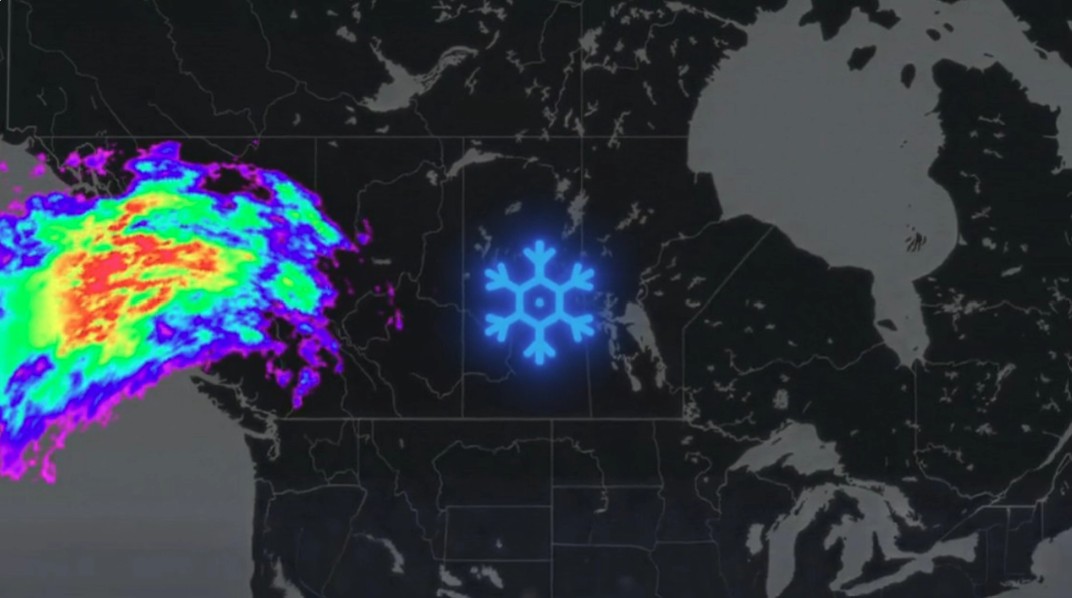
Using AI-powered coding tools, Jeff turned his idea into what he refers to as a storm rerouting agent, a tool that cross-references 10-day forecasts with real-time highway and ferry closures, carrier data and other operational signals to monitor potential disruptions at scale.
That visibility is especially valuable in remote regions, where a ferry cancellation can disrupt one of the few available routes for getting products to stores and communities.
“In places like Newfoundland, we’re not just watching roads,” Jeff said. “Because it’s only accessible by ferry, air or cargo vessel, we’re also monitoring ocean conditions, ferry operations and other weather patterns that can affect deliveries days before products ever reach the island. The goal is to understand the impact early enough to give our supply, transportation and store teams options.”
Jeff is not a software engineer. He is a transportation leader who understands the realities of moving products through challenging weather conditions. With AI helping generate the code, trusted data powering the insights and Jeff’s own experience shaping the solution, the rerouting tool came together quickly.
Jeff says the biggest difference is that his team can do more of the work ahead of a disruption. For stores, it means more confidence in shipment planning. And for customers, it means another layer of preparation behind the scenes.
Ultimately what tools like this gives teams is time. Time to see clearly, act earlier and keep products moving, even when the forecast changes.
3 More Ways Walmart Teams Get Ahead of the Weather
1. A 24/7 command centre keeps watch.
Walmart's Global Secruity Operations Centre monitors weather, risk and operations around the clock and around the world, with meteorologists on staff helping teams understand when a forecast becomes a threat.
2. Simulations help teams test the “what ifs".
Digital twins and simulation tools let teams model how weather could affect demand, fulfillment capacity, inventory placement and transportation pathways before disruption hits.
3. Predictive insights help move essentials closer to need.
By combining weather data, historical patterns and outside signals, teams can better anticipate what communities may need and position emergency inventory where it can make the biggest difference.
* Walmart utilizes many tools and platforms to monitor weather conditions, including the storm rerouting agent, among others, our 24/7 command center, official weather warnings, simulation tools and predictive insights (as referenced above) to support our associates and customers.
This story was originally published on Walmart Global Tech.